
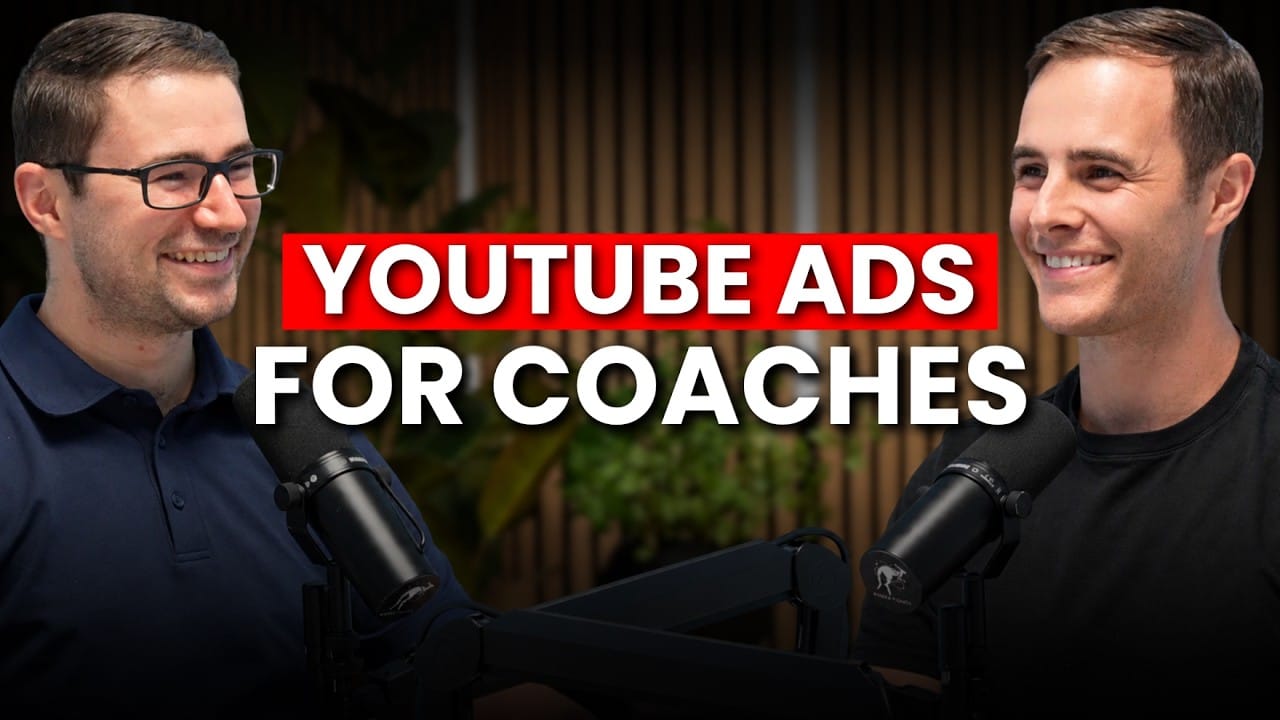
I recently sat down for a great conversation on a podcast out in Austin, and we went DEEP on where YouTube Ads are at right now.
It was a fun one because the person interviewing me runs mostly Meta Ads, so we got to compare notes on both platforms honestly (and cordially, haha).
And I walked away thinking, “This is exactly the kind of behind-the-scenes breakdown I need to share with the Marketing Minds community.”
As a Reminder, Our Goal with this Newsletter is to Give You the Highest Level of Value Possible. That’s my Promise to you & I intend to Over-Deliver!
Here’s a Sneak Peek at What’s Inside This Email:
-
The 2 Big Shifts that Changed YouTube Ads Forever (and how to actually capitalize on them right now)
-
Why YouTube Creatives Last WAY Longer than Meta Creatives – the “Forest vs Balloon” framework
-
The “Trojan Horse PDF Funnel” + the 8-Minute Delay Hack that got us ~60% video watch rates
Alright, let’s Dive In…
Watch the Full Video on YouTube:
The 2 Big Shifts That Changed YouTube Ads Forever
If you tried YouTube Ads a few years ago & wrote them off, I get it – because the platform changed underneath a lot of people & most weren’t shown how to transition.
There were really 2 Big Shifts that happened back-to-back:
Shift #1 – YouTube moved from Content Targeting to Audience-Based Targeting. In the old days, you could put your ad in front of a specific keyword or a specific channel (think targeting a big fitness channel if you’re a fitness coach). They removed that.
Shift #2 – YouTube moved everything into Demand Gen. Instead of running individual TrueView ads, you’re now running Demand Gen campaigns that combine in-stream ads, YouTube Shorts ads, in-feed ads in search & suggested videos, AND placements on other platforms.
Here’s the thing most people missed: both of these shifts happened to give you MORE Scalability.
In the past, YouTube was a highly profitable, low-spend platform – we could beat people’s Meta performance, but depending on the industry, you could hit a ceiling on how much you could scale.
Those shifts blew the ceiling off.
Now instead of only reaching someone based on what they’re watching RIGHT NOW, you can reach them based on who they ARE.
The new targeting toolkit looks like this:
-
Custom Intent Audiences – target people based on what they’ve actually searched on Google, YouTube, or even Google Maps (looked up “personal trainer” on Maps? We can reach them next time they’re on YouTube)
-
URL Affinity – target people who’ve visited specific websites (like your competitors)
-
Income Layering – stack all of that with Top 10% Household Income Earners
^^ This is why I say YouTube is now more like Traditional Media Buying. You’re scaling INTO something specific & intentional. On Meta, you’re essentially telling the AI “please go find my people.” Both can work – but the control is very different.
Why YouTube Creatives Last WAY Longer Than Meta’s (Forest vs Balloon)
This was one of my favorite parts of the conversation, because it clears up a LOT of confusion.
Here’s the honest pros & cons of each platform:
Meta is like Kindling. It’s easier to set up, the algorithm picks it up fast, and it’ll find a pocket of buyers quickly – which is exciting (I’m convinced “beginner’s luck” is almost TOO common on Meta, haha). But it lights fast & burns out fast. Creatives fatigue quickly (a lot of advertisers refresh WEEKLY), and when you try to scale, it can shoot way off-KPI as it reaches cold audiences too fast.
YouTube is like Logs. It’s harder to light – your video actually needs to be good, and you need to target it the right way with custom audiences. There’s more of a hurdle to get a campaign performing. BUT once it’s burning, it burns for a long time. We refresh creatives roughly QUARTERLY on YouTube (I tell Meta advertisers that & they think I’m crazy).
Why do YouTube creatives last so much longer?
Because the targeting is intent-based. There are new people searching “how to count calories” every single day – so your audience is constantly refreshing itself. On Meta, you’re hitting more of a fixed pocket of people, so that pocket gets exhausted faster.
The mental model I love is this:
YouTube = planting a Forest. You plant a bunch of seeds, see what sprouts, take care of it & grow it over time.
Meta = blowing up a Balloon. How much air can I put in before it pops?
And the honest takeaway? The best advertisers I know run BOTH. They’re not loyal to a platform – they use each one for what it’s great at.
This Edition of the Marketing Minds Newsletter is Sponsored by:
The Future of AI in Marketing. Your Shortcut to Smarter, Faster Marketing.

Unlock a focused set of AI strategies built to streamline your work and maximize impact. This guide delivers the practical tactics and tools marketers need to start seeing results right away:
-
7 high-impact AI strategies to accelerate your marketing performance
-
Practical use cases for content creation, lead gen, and personalization
-
Expert insights into how top marketers are using AI today
-
A framework to evaluate and implement AI tools efficiently
Stay ahead of the curve with these top strategies AI helped develop for marketers, built for real-world results.
The “Trojan Horse” PDF Funnel (+ the 8-Minute Delay Hack)
If you’ve followed me for a while, you know I love this funnel – and I’m happy to report it’s made a HUGE resurgence & is crushing on BOTH YouTube & Meta right now.
Here’s the structure:
YouTube Ad → Simple PDF Opt-in → “Watch the Video Version While You Wait” (VSL) → Book a Call → Application
Why start with a PDF? Because people opt in for a PDF at a HIGHER rate than a training video. It feels quick, easy & consumable, so there’s more of an “I want that thing, I don’t want to miss out” pull.
But here’s the genius part – and the little psychology hack that makes it work:
When someone opts in, the page says: “Great, your PDF is on its way to your inbox. Now watch the video version of the PDF while you wait.”
And we intentionally delay the PDF email by about 8 minutes (we even note in the eyebrow text that it can take 5-10 minutes to arrive).
Why? Because if the PDF lands instantly, people skim it & save it for “later” (which usually means never). But if they start watching the video while they wait – now they’re IN.
When we were really cranking on this, ~60% of people were watching, with basically the same engagement spikes as a dedicated VSL funnel – at a significantly LOWER cost per lead. 🚀
And there’s a bonus benefit most people never think about:
It gives your team a far better frame for outbound calls. Compare these two:
-
“Hey, have you watched our sales video yet?” (feels salesy)
-
“Hey, I just wanted to make sure you got our PDF – sometimes it goes to spam, so I wanted to check.” (feels like customer service)
Same goal. Completely different response rate. And genuinely – we DO want to make sure they got it!
What’s Actually Working with AI Ads Right Now (& the Lego Lesson)
I’ve been testing a lot of AI-generated ad content, and here’s the most useful thing I learned from splitting it 3 ways:
-
All-AI ads = the WORST performer (they just don’t build the Know, Like & Trust – people don’t know who the brand is)
-
No-AI ads = solid, and interestingly making a comeback
-
AI Hook + Natural Ad = the winner for a while there
That middle-ground formula – an AI-generated hook in the first 8 seconds, then cutting to a normal, authentic ad – was outperforming everything for a stretch.
Think me walking down a medieval street as the “King of YouTube,” or riding the “Revenue Roller Coaster,” or showing up as a Pixar character.
And this leads to my favorite story & the real lesson underneath all of it:
I ran an AI ad where I was a Lego character holding up my PDF. A new client hopped on one of our trainings and said, “I enrolled because I saw your ad where you were a Lego man – I LOVE Legos, and when I saw you loved Legos too, I knew I had to enroll.” 😂
Here’s the lesson: everyone has something that captures their attention. Some people love Legos. Some love anime. Some love space & astronauts. The AI style lets you speak to those little pockets of “that’s so me” inside your audience.
Now, the pendulum is swinging – AI content isn’t as novel as it was 6 months ago, so the bar is higher. It can’t just be “AI,”; it has to be a genuinely BETTER AI video. So keep testing.
We also got into whether you should ever put an actor or a different spokesperson in your ads instead of yourself (short answer: it depends on your scale & your brand credibility) – and I break down the exact case study of when it 10x’d our results in the full video.
Watch the Full Conversation on YouTube:
There was SO much more we covered – the funnels working right now, why YouTube Premium isn’t the threat people think it is, where my bookings actually come from, and the spokesperson strategy I mentioned above.
Do yourself a favor & watch the whole thing:
Watch the Full Video on YouTube! (Click Here)
Watch The Full Video on YouTube:
Complimentary Video Marketing Strategy Call!
Are you looking to Scale your Business with Video Marketing?
I want to invite you to a 1-1 Strategy call with my Team to map out a YouTube Ads & Video Marketing Strategy specifically for your Business!
This is a 45-minute call where we’ll dive into your Business, your Goals & map out a Custom Strategy to help you Achieve them through YouTube!
Fill out the Quick Booking form to Schedule your Strategy Call.
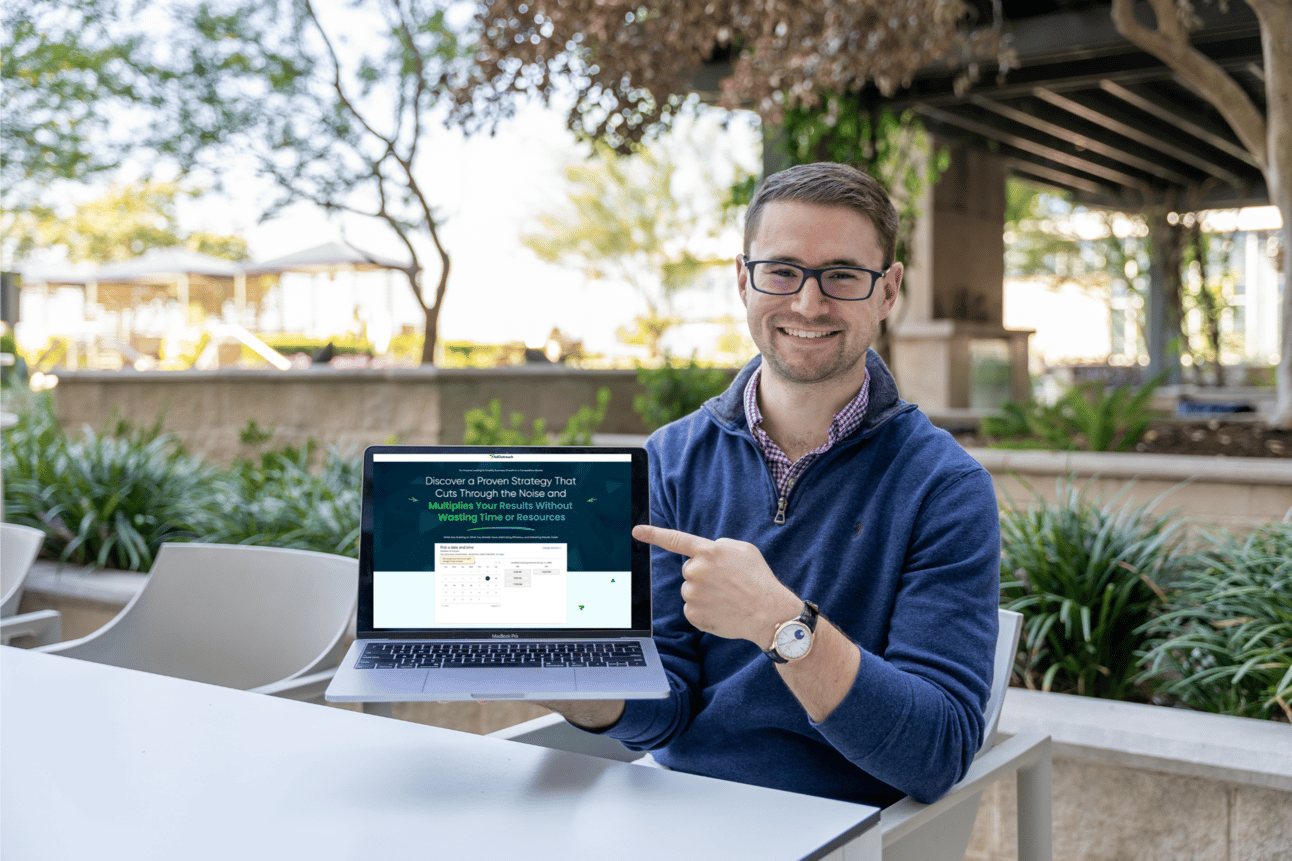
Book Your Complimentary Video Marketing Strategy Call Today!
More Value Coming Next Friday!
Stay Tuned for More Great Value & Content Coming your Way!
Here’s a Sneak Peak at What’s Coming Next:
-
More Free Trainings & Resources — In your Inbox!
-
Real Case Studies & Examples of the Marketing Funnels that Scaled Coaching Businesses past 7 & 8 Figures
-
The REAL on-the-ground insights into what’s going on in the Online Marketing & Coaching/Consulting/High-Ticket Industry (Based on our Insights working with Thousands of Clients)
-
The Latest YouTube Ad & Marketing Strategies as we Discover Them – So that you’re Always on the Cutting Edge
-
Guest Articles, Videos & Podcasts from the Top Marketing Minds of Today — Stay tuned for some exciting announcements around this 😉
-
And a LOT More…
I’m serious when I say I want this to be The Most Valuable Newsletter You’re Subscribed to — Look out for us in your Inbox Every Friday!
I’ll see you in the next one!
To Your Success,
– Aleric Heck | Founder & CEO of AdOutreach
This Edition of the Marketing Minds Newsletter is Sponsored by:
How Jennifer Aniston’s LolaVie brand grew sales 40% with CTV ads

The DTC beauty category is crowded. To break through, Jennifer Aniston’s brand LolaVie, worked with Roku Ads Manager to easily set up, test, and optimize CTV ad creatives. The campaign helped drive a big lift in sales and customer growth, helping LolaVie break through in the crowded beauty category.